
Trade effluent discharge for UK business sites
If your site discharges any liquid waste beyond domestic water such as from vehicle washes, floor cleaning or industrial processes you may need formal permission to send it to the foul sewer.
This permission is called a trade effluent consent, and it’s a legal requirement in the UK. Without it, your business risks enforcement, fines, or even pollution incidents that could damage the environment and your operations.
Stay on the right side of consent rules with controlled trade effluent discharge
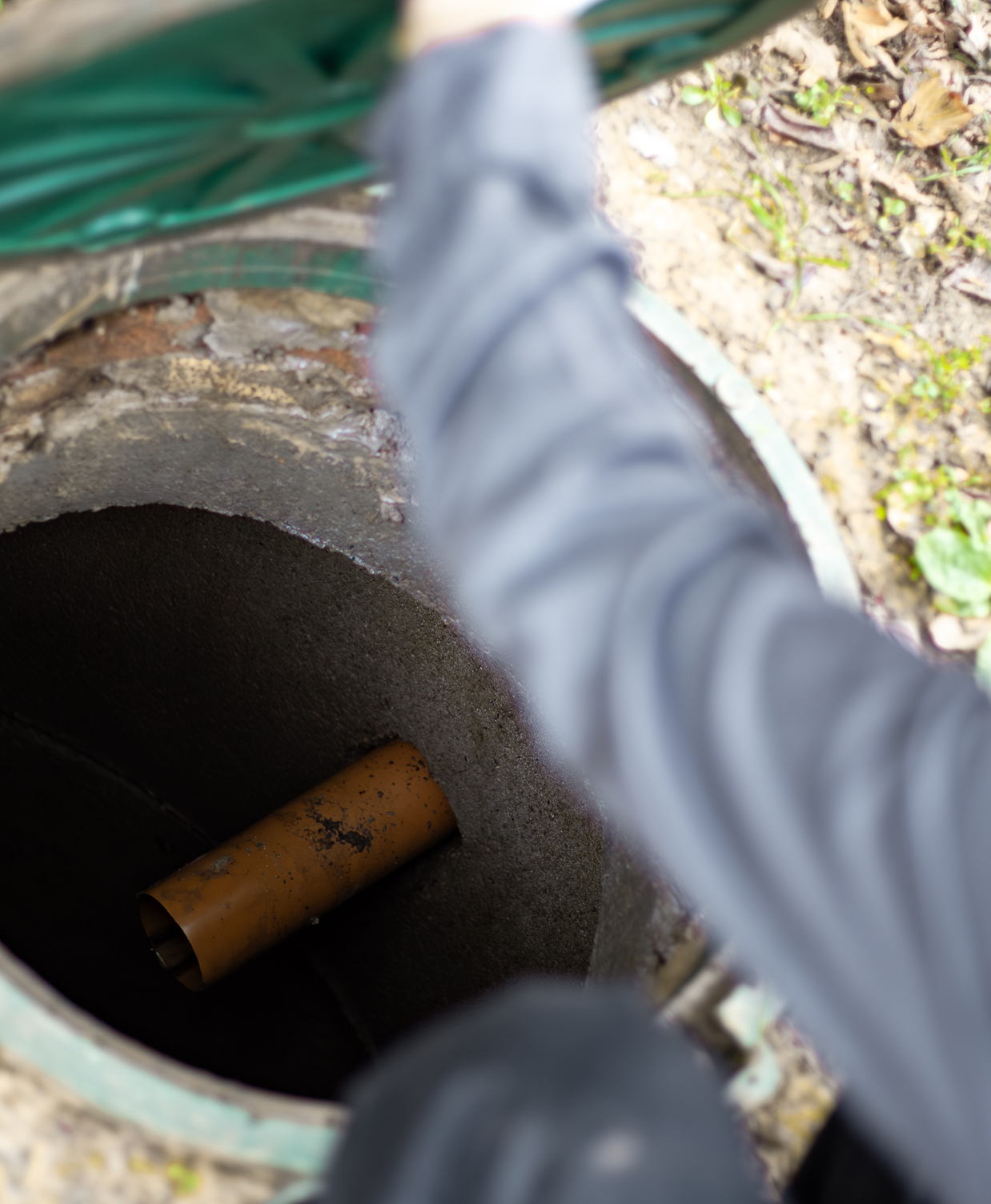
Practical maintenance for compliant site operations
Any liquid waste generated by business or industrial activity known as trade effluent must either be collected as waste or discharged to the foul sewer under strict conditions. It must never enter the surface water system. Whether you run a car wash, industrial site or tray washing facility, having the correct consent in place is essential.
A trade effluent consent is a legally binding agreement between your business and the water company. It sets out what you’re allowed to discharge, in what quantity, and under what conditions. These conditions are tailored to your site and may include limits on flow, pH, temperature, oils, greases, and chemical content.





Staying compliant starts with clear discharge control
If you’re not sure whether your site needs consent or whether your discharge meets the conditions you need to act. A valid trade effluent consent keeps your business compliant, protects the sewer network, and helps ensure your site remains within permitted discharge conditions.
Understand your site’s legal position
Many businesses underestimate what counts as trade effluent. If your site uses equipment that produces wastewater such as vehicle wash systems, food preparation areas or scrubber dryers you may already be discharging liquid waste that requires consent.
Stay prepared for inspections and sampling
Once your consent is in place, your water company may carry out sampling to check compliance. If any conditions are breached whether due to volume, pH or chemical content you’ll be expected to take immediate corrective action.
Avoid pollution and protect your operations
Uncontrolled or unauthorised discharges can damage sewers, harm the environment and lead to prosecution. By applying for and complying with a trade effluent consent, you reduce the risk of unplanned disruption, enforcement action or reputational harm.
Get in touch
Need urgent support or expert advice?
Request emergency tanker help or book a quick call with our team today.



Why trade effluent consent matters
Trade effluent must be properly controlled. If it enters the sewer network without consent, it can cause damage, pollution, or enforcement action. That’s why discharging without permission is a criminal offence.
A valid trade effluent consent gives you the legal right to discharge within strict limits and proves that your site is being managed responsibly. Without it, you may be breaking the law even if the discharge seems harmless or has never caused a problem.
Your details
Need urgent support or expert advice?
Request emergency tanker help or book a quick call with our team today.
FAQs
What types of businesses typically need a trade effluent consent?
Businesses that discharge non-domestic liquid waste into the public sewer system typically require a trade effluent consent. This includes car washes, launderettes, chemical manufacturers, and industrial sites with washdown areas or production processes that create liquid waste. If in doubt, it’s worth checking.
How long does it take to get a trade effluent consent?
Application times can vary depending on your local water company and the complexity of your discharge, but it typically takes several weeks.
Can trade effluent discharges affect water bills?
Yes. Water companies often apply trade effluent charges based on the strength and volume of your discharge. Accurate consent and monitoring arrangements can help you control these costs and avoid penalties for incorrect or excess discharges.
What happens if I change my processes or site setup after getting consent?
Any change that could alter the nature or volume of your discharge such as new equipment, layout changes or increased output must be reported to your water company. Your consent may need to be updated to reflect the new conditions.
Is pre-treatment necessary before discharge?
In many cases, yes. If your trade effluent contains substances that could harm sewers or treatment plants such as oil, grease, chemicals, or high-strength waste you may need to install a treatment system on site to meet consent conditions.